A Pad Costs 10 Rupees. Dropping Out Costs Everything.
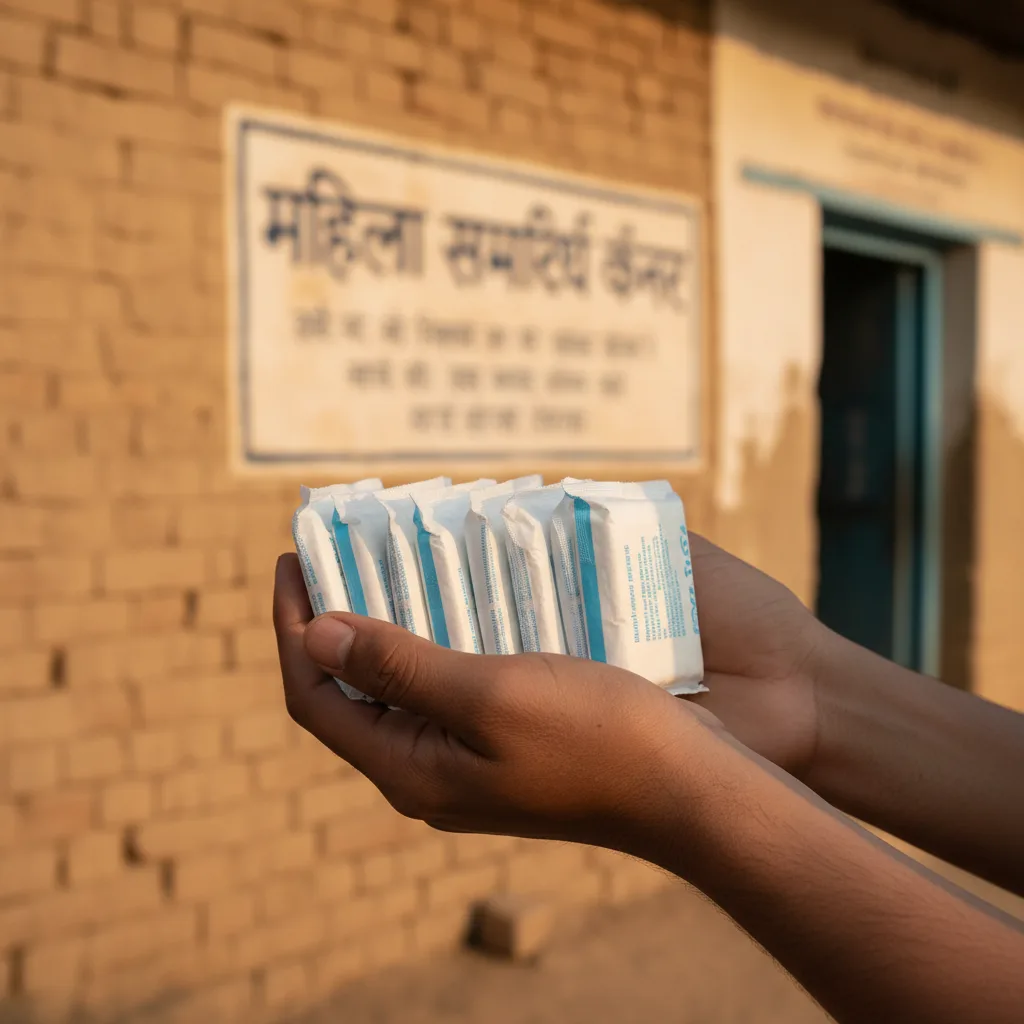
Ten rupees. That's about 12 cents. That's what a single sanitary pad costs in rural India. And for families who can't spare even that, a period can mean the end of school. The Indian nonprofit Dasra estimates that nearly 1 in 4 girls in India drop out of school when they reach puberty, with poor menstrual hygiene facilities a major reason.
Let that settle for a second. Not because they failed a test. Not because they lost interest. Because nobody handed them a pad.
What is period poverty?
Period poverty means not being able to afford, or get, what you need to manage a period: pads or other products, clean water and toilets, and basic information about menstruation. It exists everywhere, including in the U.S. In rural India it has a specific cost: girls who cannot manage their periods at school stay home, fall behind, and many stop going altogether.
What Actually Happens
Here's what the sanitized reports won't tell you. A 13-year-old girl in a village in Tamil Nadu gets her first period. There's no conversation about it beforehand — menstruation is still a taboo subject in many rural communities. She's told to use old rags, ash, or dried leaves. She's told not to enter the kitchen, not to touch the pickle jar, not to go to the temple.
And she's told to stay home from school.
According to UNICEF, over 71% of adolescent girls in India have no knowledge of menstruation before their first period. There is real progress: India's latest National Family Health Survey (NFHS-5, 2019-21) found that 73% of rural women aged 15-24 now use a hygienic method of menstrual protection. That still leaves roughly 1 in 4 rural young women improvising, and improvising comes with infections, shame, and missed days.
Dasra's research found that girls who can't manage their periods at school miss around six days a month. Over a school year, that adds up to weeks of lost lessons. After a few months of falling behind, she stops going back. Her brothers stay in school. She doesn't.
This isn't a hygiene problem. It's an education crisis with a hygiene trigger.

What We're Doing About It
We launched our Sanitary Supplies and Education for Girls in Rural Indian Schools campaign because the solution here isn't complicated. It's just underfunded.
Here's what the campaign provides:
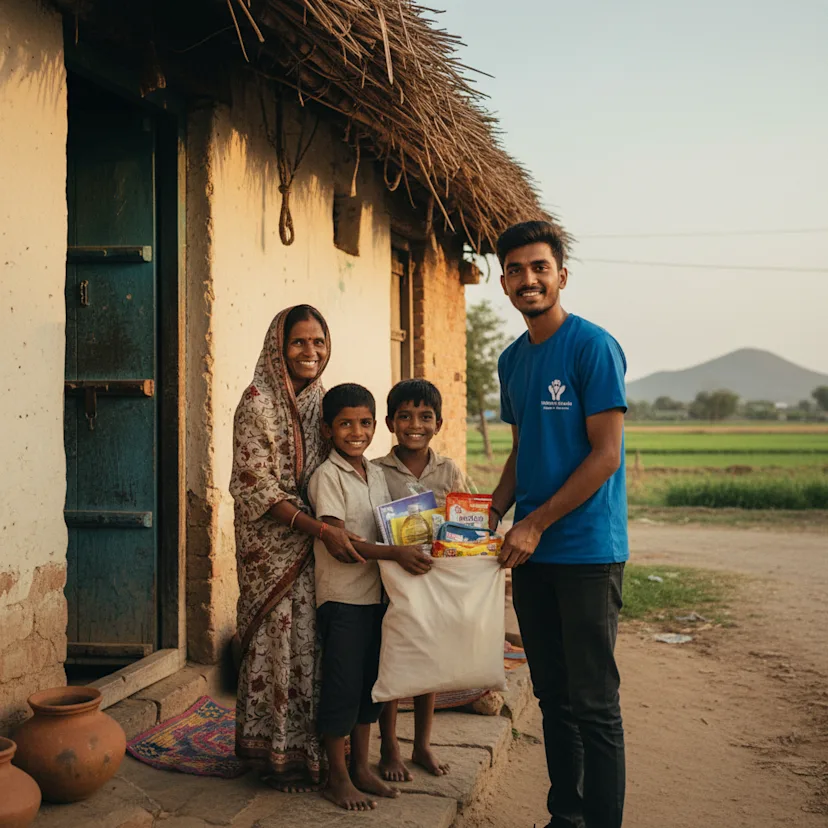
Sanitary pads and hygiene kits delivered directly to girls in rural schools. No middlemen. No overhead skim. 100% of your donation goes to supplies and distribution — that's the OneFamilee guarantee.
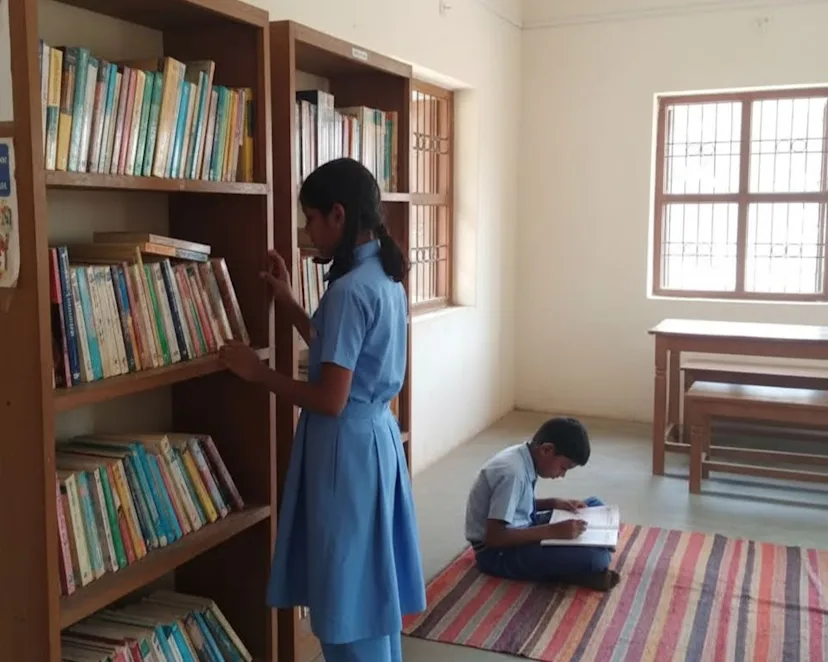
Menstrual health education workshops run by local women volunteers. We're not just handing out pads. We're breaking the silence. Girls learn about their own bodies in classrooms where the topic was never spoken aloud before.
Ongoing monthly support so that this isn't a one-time gesture. A girl doesn't need pads once. She needs them every month for years. Our campaign is built for consistency, not just a feel-good moment.
The Math Is Simple
At around ten rupees a pad, a year's supply for one girl costs roughly $20. Twenty dollars to keep a girl in school for a year.
We're not asking for a lot. We're asking for what's obvious.
Every dollar you send through OneFamilee reaches these girls. We don't take a cut for admin costs. We don't skim for overhead. Our verified volunteer network in India handles distribution on the ground, and you'll get monthly photo updates showing exactly where your money went.

She Shouldn't Have to Choose
No girl should have to choose between her dignity and her education. No family should have to decide whether to buy rice or pads. And no 13-year-old should sit at home watching her brothers walk to school because biology made her "impure."
This campaign is just getting started. Every $20 covers one girl for a year. We want to reach two or three hundred.