Most charities spend your money before it ever reaches anyone.
Many charities spend a significant share of what they raise on overhead. Office leases. Executive salaries. Fundraising consultants. Marketing agencies. By the time your $100 donation reaches a family in need, it might be $60. Or $40. Or, in the worst cases documented by CharityWatch, as little as $3.
OneFamilee doesn't work that way. We have no office. Nobody here draws a salary. We don't spend donor money on ads or marketing campaigns. When you donate $100, we send $100 to a family in India. That's not a slogan. It's how we're structured.
But we get the question all the time: how is that even possible? Fair question. Here's the honest answer.
Who actually runs this?
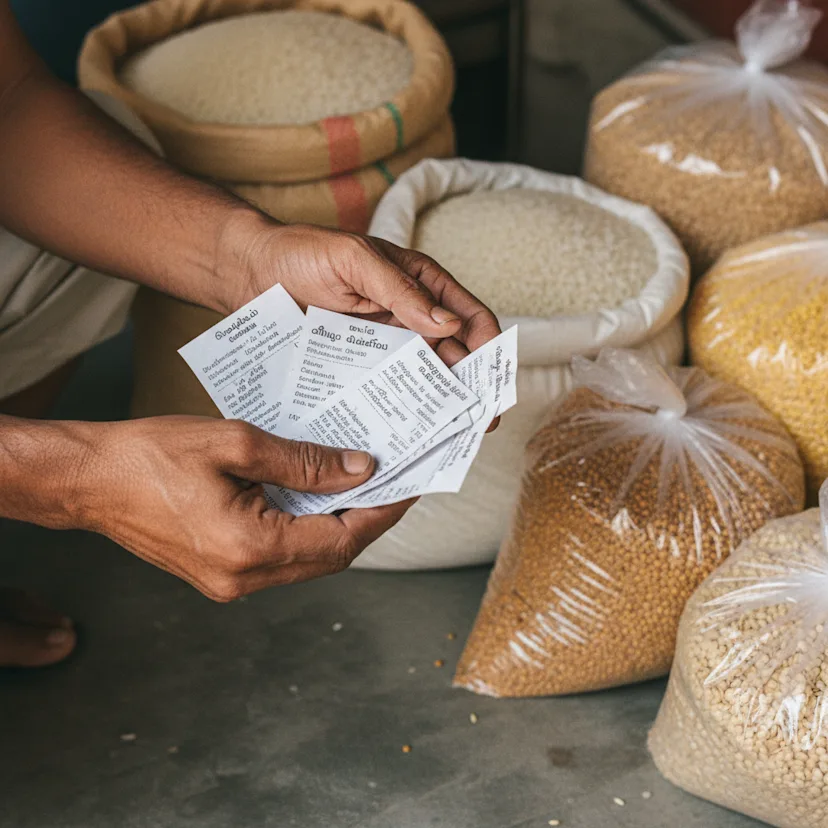
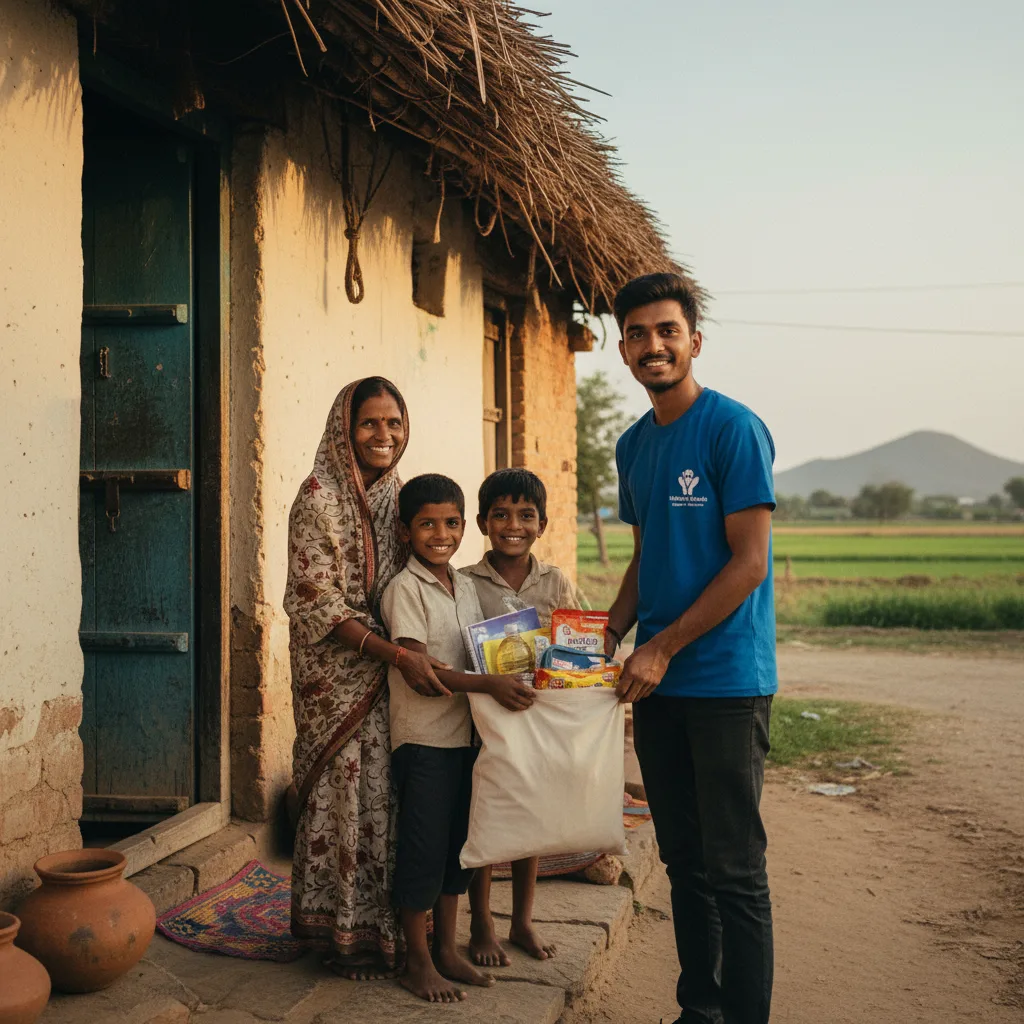
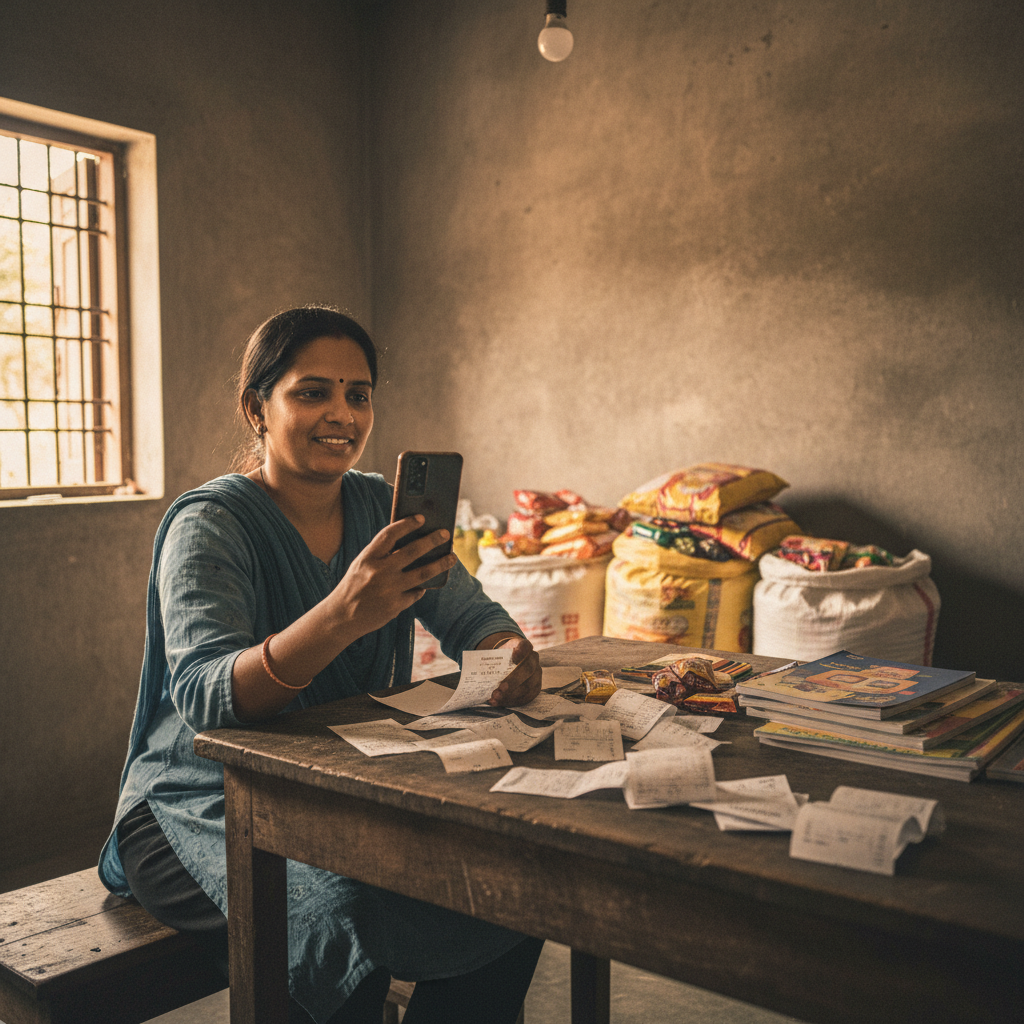
OneFamilee is run entirely by volunteers. Our team in the U.S. handles the website, donor communication, and legal compliance. Our volunteers in India do the hardest work — they conduct home visits, verify every recipient through background checks, purchase supplies, photograph receipts, and deliver monthly updates directly from the families we support.
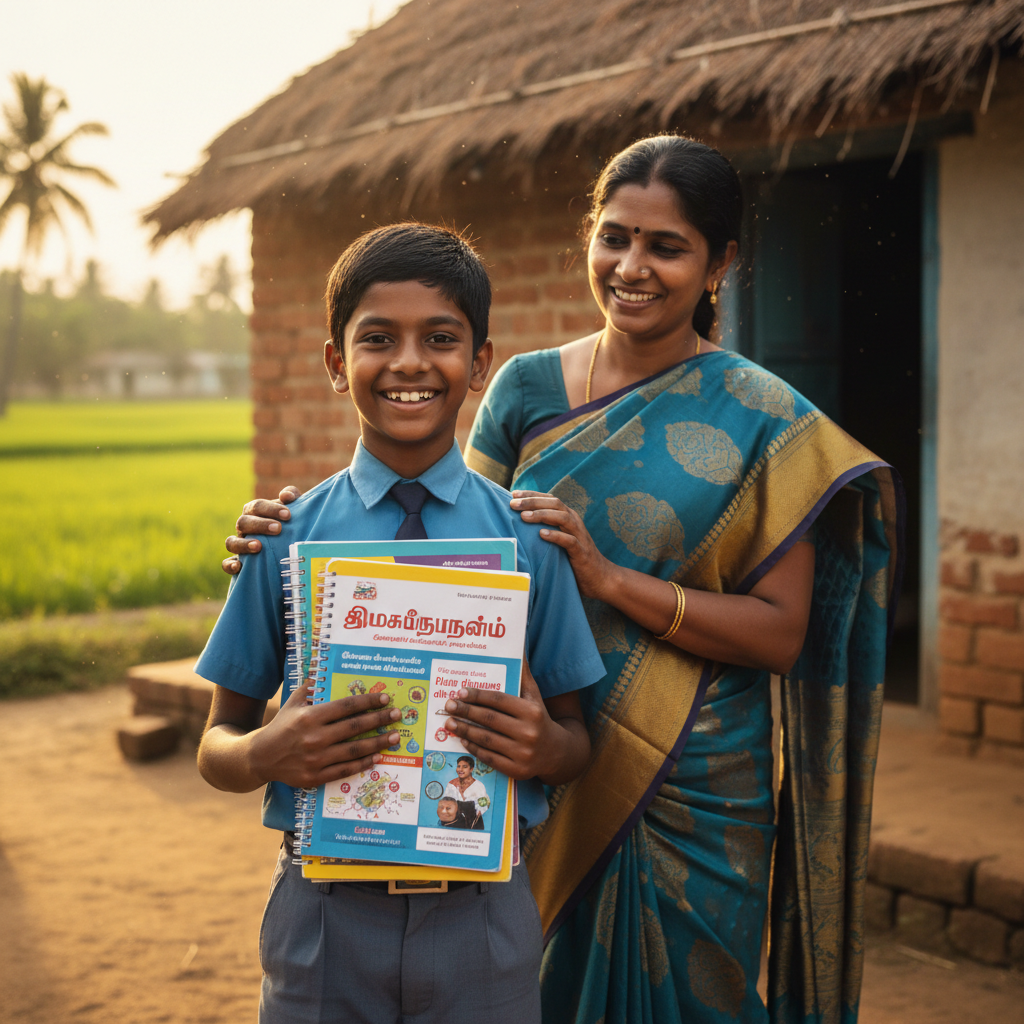
Nobody is on payroll. Not the founder. Not the web developer. Not the volunteers who drive to rural villages to deliver school supplies and groceries. Every person involved in OneFamilee donates their time because they believe families shouldn't have to compete with a charity's overhead for help.
Since 2021, this volunteer network has delivered over $50,000 in direct donations to 47 families across India. Every dollar is tracked with photo receipts and monthly progress reports.
So what does cost money?
We'd be lying if we said running OneFamilee costs nothing. It doesn't. There are real costs. We just don't take them from your donation.
Here's exactly what those costs are:
Stripe charges a payment processing fee on every transaction — roughly 2.9% plus 30 cents. If you donate $100, Stripe takes about $3.20 before we ever see the money. This is an industry-standard fee charged by the payment processor, not by us. We can't avoid it — every nonprofit that accepts online payments pays it. But we don't count it as overhead, because it never touches our hands. It's deducted before the funds arrive.
Our website hosting costs a few dollars a month. The domain name costs about $12 a year. These costs are paid out of pocket by team members, not from the donation pool.
That's the full list. No office rent, no insurance premiums, no staff benefits, no travel budgets, no consulting fees.
"But someone must be getting paid."
No. And we understand why that's hard to believe.
The charity industry has trained people to assume overhead is inevitable. Most large nonprofits pay their chief executive six figures. The Red Cross. United Way. Goodwill. It's become so normal that a charity without executive compensation seems suspicious rather than admirable.
We're a small organization on purpose. We don't have layers of management because we don't need them. We don't have an HR department because there are no employees. We don't have a marketing budget. Donors find us through word of mouth, stories shared by the families we help, and search ads donated free of charge by Google's Ad Grants program for nonprofits. Our 501(c)(3) filing is public. Our financial documents are available.
There is no hidden line item.
How we stay accountable without bureaucracy
Zero overhead doesn't mean zero accountability. It actually means more.
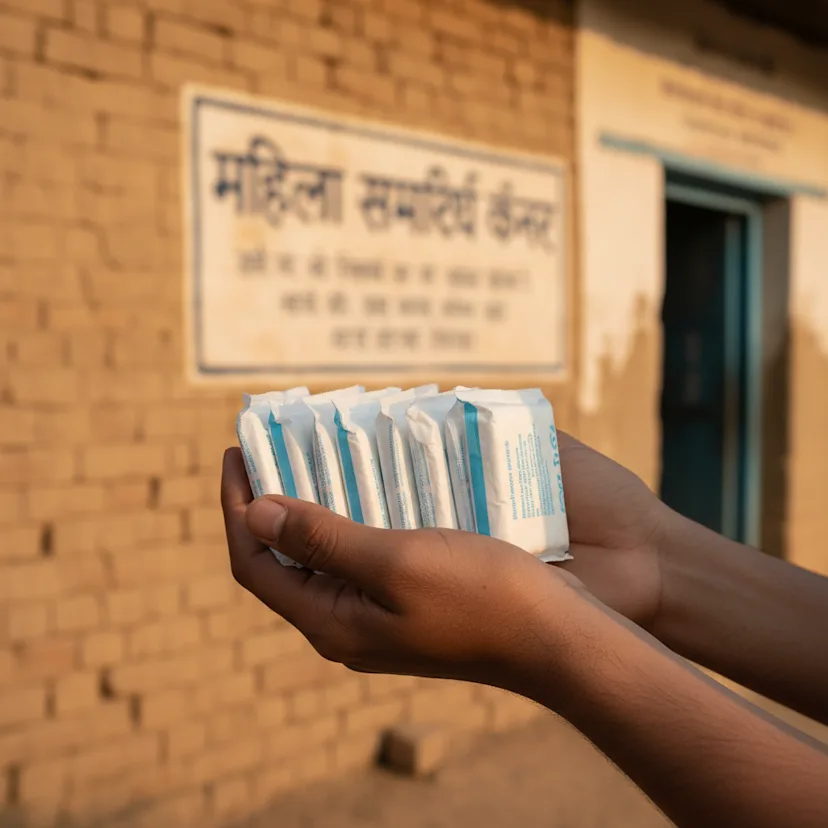
When you donate to a OneFamilee campaign, our volunteers in India purchase exactly what the family needs — school fees, textbooks, groceries, medical supplies. Every single purchase is receipted, photographed, and uploaded within 48 hours. You receive monthly updates with photos of the student or family you're supporting, personal messages from recipients, and a complete financial breakdown of how your donation was spent.
We believe that if you can't show a donor exactly where their money went, you shouldn't be asking for it.
Why this model isn't for every nonprofit
We're not saying every charity should eliminate overhead. A hospital needs a building. A food bank needs refrigeration. A legal aid organization needs lawyers, and lawyers need salaries.
But direct-giving organizations like ours don't need those things. The work we do — identifying families in need, purchasing supplies, delivering them, and documenting the impact — can be done by committed volunteers who live in the communities we serve. The infrastructure already exists in the relationships our team has built over years.
We chose this model because it was the only one that felt honest. When someone gives us their money to help a family, we think the entire amount should help that family.
How to check what any charity's CEO earns
You don't have to take anyone's word for it, including ours. Larger U.S. charities file IRS Form 990 every year, and it's public. Part VII lists what the charity pays its officers, directors, and highest-paid employees. Anyone paid more than $150,000 is broken down further on Schedule J.
You can read any charity's filings for free on ProPublica's Nonprofit Explorer, and compare ratings on Charity Navigator and CharityWatch. Look at executive pay next to how much of total spending actually reaches programs.
At OneFamilee, that part of the form is easy to read: nobody is paid.
The real question
We don't think the question donors should ask is "what percentage goes to overhead?" We think the better question is: "Can you show me exactly what happened with my donation?"
We can. Every receipt. Every photo. Every month. For every family.
That's what zero overhead actually looks like. Not a marketing claim — a daily practice, carried out by people who care enough to do this work for free.